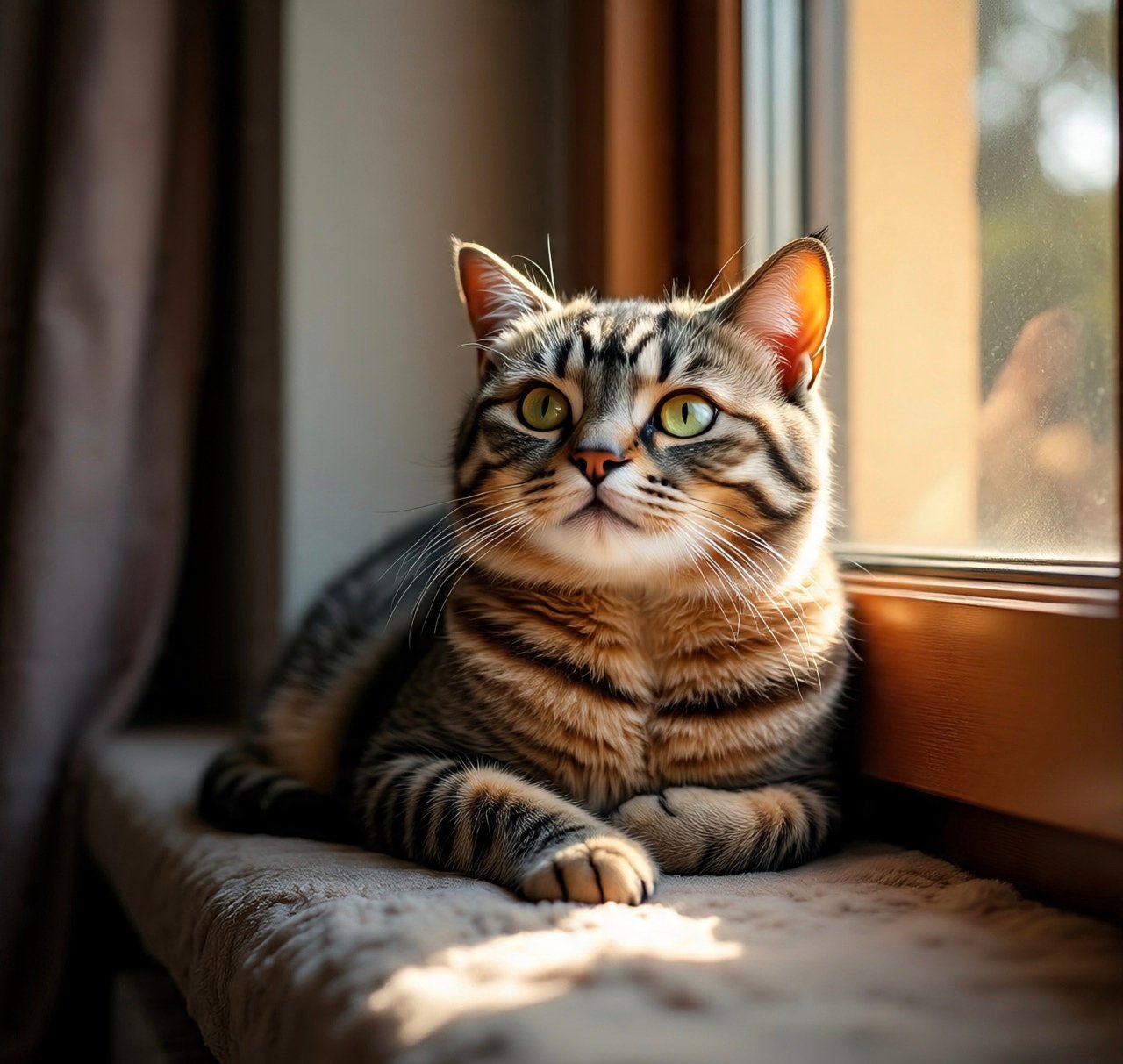
Cats are playful, curious, and full of personality. But as time passes, every kitten grows into an adult and eventually becomes a mature pussycat. Many cat owners notice small changes when their furry friend gets older. Your cat may sleep more, move a little slower, or ask for extra cuddles.
In this guide, we will talk about what a mature pussycat really means. You will also learn how to care for an older cat, what changes to expect, and how to keep your feline friend happy and healthy. If you love cats, this article will help you understand them better as they grow older.
What Is a Mature Pussycat?
A mature pussycat is simply a cat that has reached the later stage of its life. Most cats enter the mature stage at around 7 to 10 years old.
At this age, cats are no longer energetic kittens. They become calmer and more relaxed. Many owners say their mature cats become more affectionate and gentle.
Some common signs of a mature cat include:
- Sleeping more than usual
- Slower movement
- Less interest in jumping or climbing
- More quiet behavior
- Stronger bond with the owner
These changes are normal. Just like humans, cats change as they age.
Personality Changes in a Mature Cat
One interesting thing about a mature pussycat is its personality. Many cats become more loving as they grow older.
You may notice your cat:
- Sitting near you more often
- Following you around the house
- Enjoying longer cuddle time
- Meowing softly to get attention
Young cats love to run and explore. Older cats prefer peace and comfort. They enjoy warm places, soft beds, and quiet corners.
This stage often creates a deeper bond between cat and owner.
Health Changes to Watch
A mature pussycat may also show small health changes. This does not mean something is wrong. It simply means your cat needs a little more care.
Some common changes include:
1. Slower Movement
Older cats may avoid high jumps. Their joints feel stiff sometimes.
2. Weight Changes
Some cats gain weight. Others lose weight because they eat less.
3. Dental Problems
Older cats may develop gum issues or bad breath.
4. Vision or Hearing Changes
Your cat may react slower to sounds or movements.
Regular vet checkups help detect these issues early.
Best Diet for a Mature Pussycat
Food plays a big role in keeping your cat healthy. Mature cats need balanced nutrition.
Here are some simple tips:
- Choose high-quality cat food
- Look for food made for senior cats
- Provide fresh water every day
- Avoid too many treats
Older cats need food that supports:
- Joint health
- Strong muscles
- Healthy digestion
- Good immune system
Always check with a veterinarian before changing your cat’s diet.
Creating a Comfortable Home for an Older Cat
A mature pussycat loves comfort. Small changes in your home can make life easier for your cat.
Try these ideas:
- Place soft beds in warm areas
- Keep food and water easy to reach
- Use low litter boxes
- Add gentle ramps instead of high jumps
These changes reduce stress and help your cat move comfortably.
Playtime Still Matters
Many people think older cats do not like to play. That is not true. A mature pussycat still enjoys light play.
You just need to adjust the activity.
Good toys for mature cats include:
- Soft feather toys
- Slow moving laser toys
- Catnip toys
- Small balls
Short play sessions keep your cat active and mentally sharp.
Even 10 minutes of play each day can improve your cat’s mood.
Grooming an Older Cat
Young cats groom themselves a lot. But mature cats sometimes need help.
Brushing your cat has many benefits:
- Removes loose fur
- Prevents hairballs
- Improves blood circulation
- Strengthens bonding
Try brushing your cat two or three times a week.
Also check:
- Teeth
- Nails
- Ears
Regular grooming keeps your cat comfortable and clean.
Emotional Needs of a Mature Pussycat
Cats may look independent, but they still need love. Mature cats especially enjoy emotional comfort.
Spend time with your cat each day. Sit with them. Talk to them. Pet them gently.
Simple actions make a big difference.
Your cat will feel safe and loved.
Why Mature Cats Make Wonderful Pets
Many people want kittens. But mature cats can be amazing companions.
Here is why:
- They are calm and gentle
- They require less training
- Their personality is already clear
- They enjoy quiet companionship
Older cats often form very strong bonds with their owners.
In many ways, the mature stage is the most rewarding part of a cat’s life.
Conclusion
A mature pussycat is a beautiful stage in a cat’s life. Your cat may slow down a bit, but it also becomes calmer and more loving. With proper care, good food, regular vet visits, and plenty of affection, your older cat can live a happy and comfortable life.
Remember, cats are not just pets. They are family members. When you understand their needs as they age, you give them the best life possible.
Your mature pussycat will return that love with loyalty, warmth, and many peaceful moments by your side.
FAQs About Mature Pussycat
1. At what age is a cat considered mature?
Most cats become mature between 7 and 10 years old. This stage comes after the active adult years.
2. Do mature cats sleep more?
Yes. Older cats usually sleep more because their energy level decreases.
3. What food is best for a mature pussycat?
Food made for senior or mature cats is best. It supports joint health, digestion, and overall wellness.
4. Do older cats still like to play?
Yes. Mature cats enjoy gentle play. Short sessions help keep them active and happy.
5. How can I keep my mature cat healthy?
You can keep your cat healthy by:
- Providing a balanced diet
- Scheduling regular vet checkups
- Giving daily affection
- Keeping a calm and comfortable home