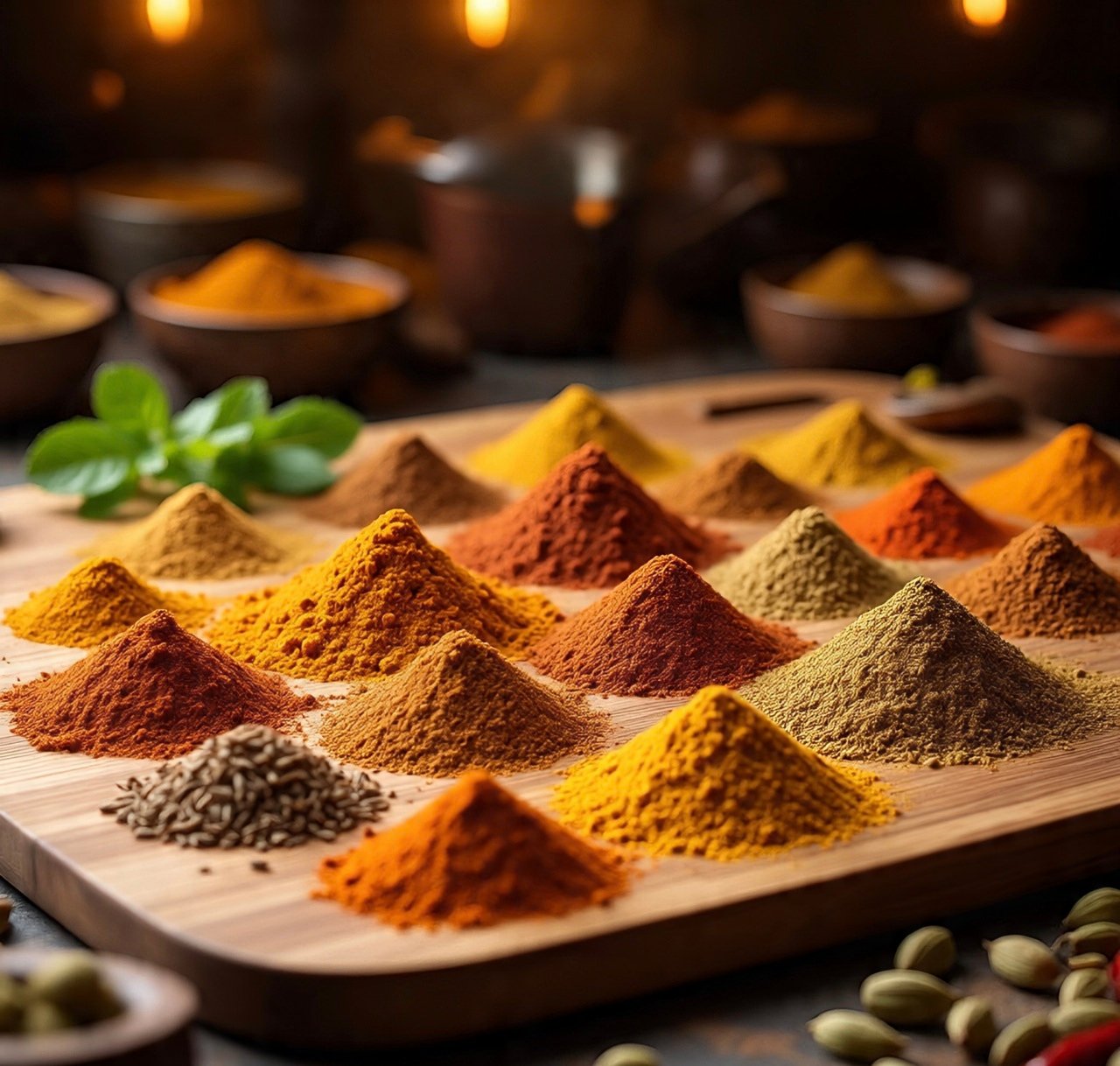
If you love food with rich flavor and warm aroma, you have probably tasted massala before. Even if you didn’t know its name, you felt its magic on your tongue. Massala turns simple food into something special. It adds color, smell, and taste in one small spoon.
In this blog post, you’ll learn what massala really is, where it comes from, the different types, how to use it at home, and why it plays such a big role in many cultures. I’ll keep things simple and easy to understand. No fancy words. Just real talk about real spices.
Let’s get started.
What Is Massala?
Massala (also spelled masala) is a mix of ground spices. People blend different spices together to create a strong and balanced flavor. The word comes from South Asia, especially from countries like and .
Instead of using one spice, cooks mix several spices. That mix becomes massala. Every family has its own recipe. That’s why massala can taste different from house to house.
Think of it like a flavor team. Each spice plays its role. Together, they create something amazing.
Common Spices Used in Massala
Massala recipes can change depending on the dish. But many blends include these popular spices:
- Cumin
- Coriander
- Turmeric
- Red chili powder
- Black pepper
- Cloves
- Cardamom
- Cinnamon
Some blends also include dried garlic, ginger powder, or nutmeg.
Each spice adds something special:
- Turmeric gives color.
- Chili adds heat.
- Cumin gives earthiness.
- Cardamom adds sweetness.
When mixed well, the flavor becomes deep and rich.
Popular Types of Massala
There are many types of massala. Each one fits a different dish. Here are some well-known ones:
1. Garam Massala
This is one of the most famous blends. “Garam” means warm. It doesn’t always mean spicy hot. It means warming spices like cinnamon and cloves.
People often sprinkle garam massla at the end of cooking. It boosts aroma and taste.
2. Chicken Massala
This blend works best for chicken dishes. It has strong spices and sometimes dried herbs. It gives curry a bold and savory flavor.
3. Biryani Massala
Used in biryani rice dishes. It has rich and fragrant spices. It makes the rice smell incredible.
4. Chaat Massala
This one tastes tangy and salty. People sprinkle it on snacks, fruits, and street food. It gives a sharp and exciting flavor.
Why Massala Is So Important in Cooking
Massala is not just about spice. It is about balance. Good massla does three main things:
- Adds depth to food
- Enhances aroma
- Brings color to dishes
Without massla, many traditional dishes would taste flat. Imagine curry without spices. It would feel empty.
Massla also connects people to culture. In South Asian homes, the smell of roasting spices often means family time. It reminds people of childhood and home-cooked meals.
How to Use Massala at Home
You don’t need to be a chef to use massla. Anyone can do it. Just follow these simple tips:
Start Small
If you are new, use half a teaspoon first. Taste your food. Add more if needed.
Fry It in Oil
Many cooks add massala to hot oil at the start. This step releases flavor and aroma.
Add at the End
Some blends work better at the end. Garam massala, for example, gives a fresh smell when added last.
Store It Properly
Keep massala in an airtight jar. Store it in a cool, dry place. Heat and sunlight can weaken the flavor.
Homemade vs Store-Bought Massala
Both options work fine. But they have differences.
Homemade Massala
- Fresher taste
- Strong aroma
- You control ingredients
Store-Bought Massala
- Saves time
- Easy to find
- Good for beginners
If you cook often, try making your own blend. Roast whole spices in a dry pan. Let them cool. Grind them into powder. That’s it. Fresh and powerful.
Health Benefits of Massala
Spices do more than add taste. Many have health benefits.
- Turmeric may support immunity.
- Ginger can help digestion.
- Black pepper may improve metabolism.
- Cumin may help with bloating.
Of course, massla is not medicine. But natural spices often support overall health when used in normal amounts.
Massala Around the World
Massla started in South Asia. But today, people use it worldwide. You can find massla-flavored snacks, chips, noodles, and even popcorn.
Restaurants across and serve dishes inspired by South Asian flavors. Food travels fast. Good flavor travels even faster.
Massla now belongs to global kitchens.
Simple Massala Recipe You Can Try
Here’s an easy homemade massla blend:
- 2 teaspoons cumin
- 2 teaspoons coriander
- 1 teaspoon black pepper
- 1 teaspoon turmeric
- 1 small cinnamon stick
- 3 cloves
Dry roast for 2–3 minutes. Let cool. Grind into powder. Store in a jar.
Use it in curry, vegetables, or rice. You’ll smell the difference right away.
Final Thoughts
Massla is more than just spice powder. It is flavor, culture, and comfort in one mix. It turns simple food into something warm and exciting.
You don’t need fancy skills to enjoy it. Start small. Experiment. Trust your taste buds.
Cooking should feel fun, not scary. And with the right massla, even basic food can taste like a celebration.
FAQs About Massala
1. Is massla very spicy?
Not always. Some blends are mild. Others are hot. It depends on how much chili the mix contains.
2. Can I use massla in non-Asian dishes?
Yes, you can. Try it in soups, roasted vegetables, grilled meat, or even scrambled eggs.
3. How long does massla last?
If stored properly, it can last 6–12 months. But fresh blends taste stronger.
4. Is masala healthy?
In normal amounts, it can support digestion and overall wellness because of natural spices.
5. What is the difference between curry powder and masala?
Curry powder is usually a fixed commercial blend. Masala can vary from home to home. It often tastes fresher and more complex.